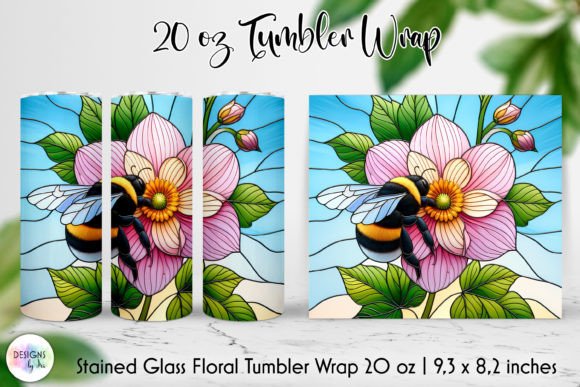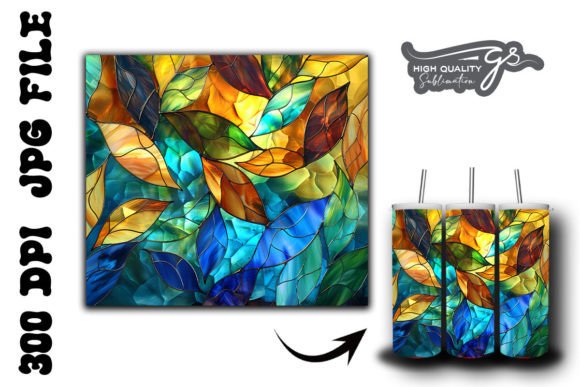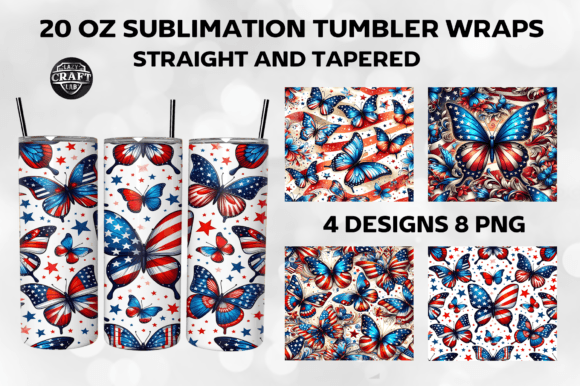
Stained Glass Butterfly Tumbler Design
A Designer’s First Glance: Light, Line, and Intention
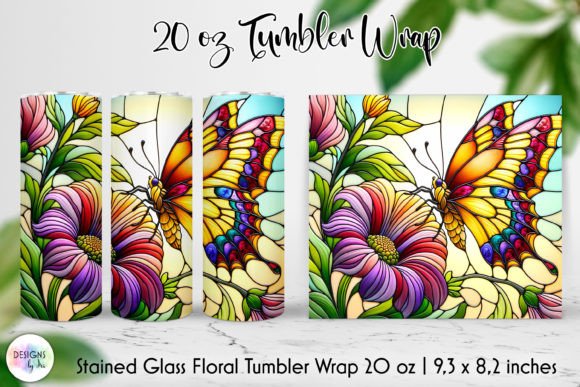
Opening the Stained Glass Butterfly Tumbler Design file feels like lifting a pane of sunlit glass—vibrant, layered, and full of quiet movement. It’s not just a butterfly; it’s a stylized composition with bold outlines, segmented “glass” panels, and rich color transitions that suggest transparency and depth. As an embroidery designer who’s stitched hundreds of nature motifs, I immediately notice how its structure leans into clarity over realism: strong outer contours, intentional negative space between segments, and balanced weight distribution across the 9.3 × 8.2-inch layout. That tells me this wasn’t drawn for print-only impact—it holds up to translation into thread.
Where This Design Truly Shines (and Where It Doesn’t)
I recently tested the Stained Glass Butterfly Tumbler Design as the centerpiece on a linen-cotton tea towel for a local boutique launch. Stitched at ~5.5 inches wide with medium-density fill and satin-stitched borders, it read beautifully—crisp, legible, and artisanal without looking stiff. Customers paused at the display, commenting on the “stained-glass effect” in thread. That’s the sweet spot: natural fiber home goods, baby onesies (with simplified stitch count), embroidered patches for denim jackets, and even lightweight sweatshirt fronts where the design anchors rather than overwhelms.
But let’s be direct—this isn’t a one-size-fits-all embroidery file. Its strength lies in deliberate simplicity, not micro-detail. On a curved cap front? The outer wings may distort unless resized and re-digitized for stretch and contour. On thin jersey or ribbed knit? You’ll need cutaway + tear-away stabilizer combo—and possibly reduce fill density by 15–20% to prevent puckering. And on dark fabric? Test your thread colors carefully: those light “glass” segments (soft yellows, pale aquas) can fade visually without high-contrast underlay or tone-on-tone satin stitching.
Real-World Fit for Your Craft Business
If you’re an Etsy seller or small shop owner building cohesive collections—say, a spring-themed line of embroidered pillow covers, aprons, and matching tote bags—the Stained Glass Butterfly Tumbbler Design works as a unifying motif. It reads well at 4–6 inches, scales cleanly down to 3 inches for baby bibs or hair clips (when digitized properly), and pairs effortlessly with clean sans-serif monograms or minimalist botanical accents. I’ve used it as a focal point on custom embroidered totes for a local florist—stitched in matte cotton thread on natural canvas—and it elevated the handmade feel without shouting.
That said, avoid using it raw for commercial embroidery on performance wear or heavily textured fabrics like bouclé or thick terry cloth. The fine lines between “panes” can blur or disappear entirely if stitch density isn’t adjusted. And if you’re offering personalized gifts—think baby blankets or wedding guest towels—confirm whether the design includes optional elements like names or dates. This version doesn’t; it’s a standalone graphic. So treat it as a foundational asset, not a plug-and-play kit.
What This Design Says to Your Customer
Handmade product buyers don’t just buy butterflies—they buy intention. The Stained Glass Butterfly Tumbler Design conveys care, craftsmanship, and visual harmony. When stitched well, it signals that you understand balance: not too busy, not too sparse; colorful but grounded; decorative but purposeful. That builds trust—especially for first-time buyers browsing your Etsy shop or craft fair table. It also photographs exceptionally well in natural light, which matters for printable mockups and social media previews. A well-executed version on a cream linen pillow cover? Instant cohesion. A muddy, over-dense version on low-grade poly blend? It undermines your brand before the buyer even touches the fabric.
Practical Embroidery Designer Notes
- Always test first: Run a sample on scrap fabric matching your final substrate—same weight, same weave, same dye lot if possible.
- Check contrast early: View your thread palette against both light and dark fabric backgrounds in grayscale mockups. Those soft pastel “glass” areas need thoughtful thread selection.
- Review stitch density: PNG files don’t include stitch data—so confirm with your digitizer whether fill areas are optimized for stability on apparel vs. home goods.
- Hoop size matters: At full scale (9.3 × 8.2 inches), this design will require a large hoop or multi-hooping strategy for most commercial machines. Plan accordingly for sweatshirt fronts or tote bag panels.
- Stabilizer is non-negotiable: Especially for satin-stitched outlines and tight corners—use appropriate cutaway for knits, tear-away for stable wovens, and consider topping for nap-free finish on towels or fleece.
- Licensing check: Since this is marketed as a Graphics bundle for tumbler wraps, verify whether the license permits embroidery use, resale of finished items, or inclusion in digital embroidery bundles before listing on Etsy or your own site.
Final Thought: A Thoughtful Tool, Not a Trendy Shortcut
The Stained Glass Butterfly Tumbler Design isn’t flashy—it’s considered. It rewards attention to detail, respects fabric behavior, and grows more compelling the more thoughtfully it’s applied. Whether you’re stitching a single holiday gift or scaling production for a boutique wholesale order, it performs best when treated as a design asset—not just a file to load and run. Use it where clarity, charm, and quiet confidence matter most: on heirloom baby items, curated kitchen textiles, signature boutique merchandise, or personalized embroidered patches that customers keep for years. In a market flooded with overly complex or generic motifs, this one earns its place—not because it’s loud, but because it’s true.